
Disko Chill
6 days in off-season Disko Bay incl. Ilulissat, UNESCO Icefjord and settlement visit
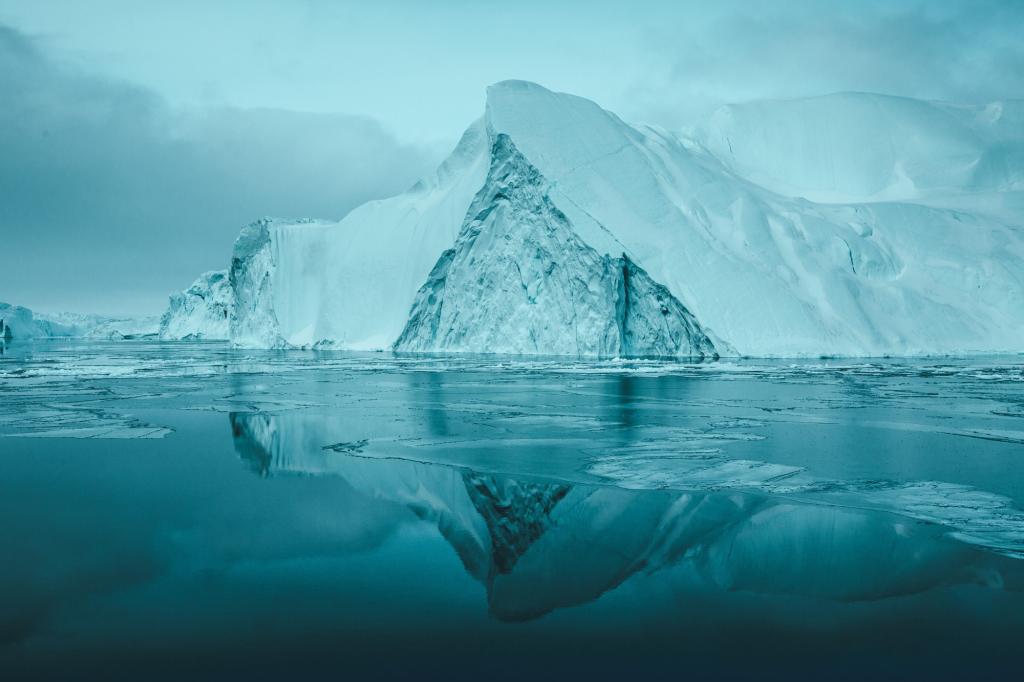
Explore captivating Disko Bay during the calmer days on our "Disko Chill" off-peak season adventure. This 6-day tour begins with a town tour of Ilulissat, showcasing its cultural highlights, followed by a visit to the awe-inspiring UNESCO Icefjord. Learn about the historic settlement of Sermermiut and experience the majesty of the icebergs on an unforgettable boat trip.
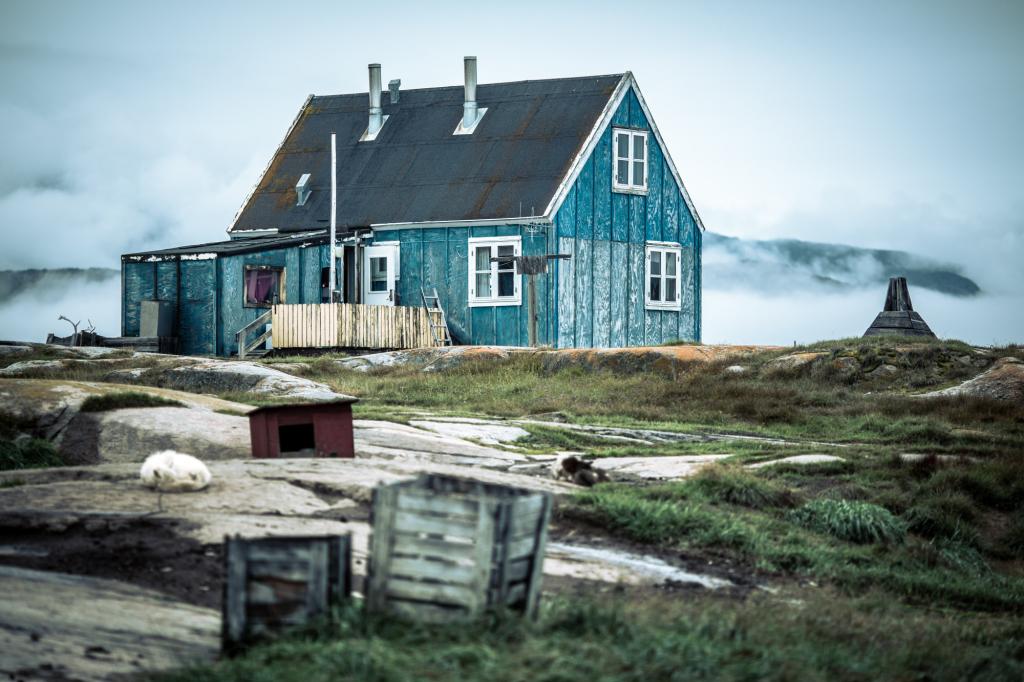
Continue your exploration with a boat trip to the charming settlement of Oqaatsut, where you can take a leisurely walk and enjoy the peaceful surroundings. The itinerary includes a free day, offering flexibility to adjust activities based on weather, ensuring a relaxed pace to fully enjoy Greenland’s low-season charm.
Rough summary
Day 1:
Arrival in Ilulissat
Day 2:
Guided city walk and UNESCO Ilulissat Icefjord visit
Day 3:
Iceberg Sightseeing by boat
Day 4:
Day tour to settlement Oqaatsut by boat
Day 5:
Free day in Ilulissat
Day 6:
Departure
Select preferred accommodation category
Availability
Dates:
daily: June 1st, 2026 – June 30th, 2026 (available)
September 1st, 2026 – September 30th, 2026 (available)
September 1st, 2027 – September 30th, 2027 (available)
Further details
Price includes:
- 2 hour guided city walk in Ilulissat
- 2 hour walk at Ilulissat Icefjord and Sermermiut
- 2 hour iceberg sightseeing tour by boat
- 7 hour day tour by boat to Oqaatsut settlement incl. lunch
- 5 nights in Ilulissat
- Breakfast included
- airport transfers
Type of trip:
This pre-arranged adventure is an individual trip, meaning you are discovering Greenland on your own but joining selected guided group activities during your stay. You will receive comprehensive travel information such as where and when to meet for the activities.
Minimum age:
8 years
Flight connections
Flights to Greenland are not included.
Fly to Ilulissat via Keflavik/Iceland or Copenhagen/Denmark.
Return flight from €1,295 per person can be added to your package.
Detailed itinerary
Day 1: Arrival in Ilulissat
Today you'll arrive in Ilulissat, a town on the shores of the UNESCO Icefjord. We suggest you keep your first day flexible to allow for any flight delays. Use this time to explore the town and get ready for the exciting adventures that await you. You stay overnight in Ilulissat.
Day 2: Guided city walk and UNESCO Ilulissat Icefjord visit
Today's highlight is experiencing the grandeur of the Ilulissat Icefjord. You'll feel small and humbled by the vast expanse of ice that pushes from the Sermeq Kujalleq glacier into the sea and calves into majestic icebergs in Disko Bay. In this UNESCO World Heritage Site, you'll also visit Sermermiut, an ancient Inuit settlement, where your guide will share fascinating details about the Inuit cultures that flourished here.
In the afternoon, take a guided walk through Ilulissat. Learn about Greenlandic culture and history, visit the harbour and "brættet" - a traditional market where local hunters and fishermen sell their catch. You'll also see the birthplace of famous polar explorer Knud Rasmussen. The tour ends with a stop at the historic wooden Zion Church. You stay overnight in Ilulissat.
Day 3: Iceberg Sightseeing by boat
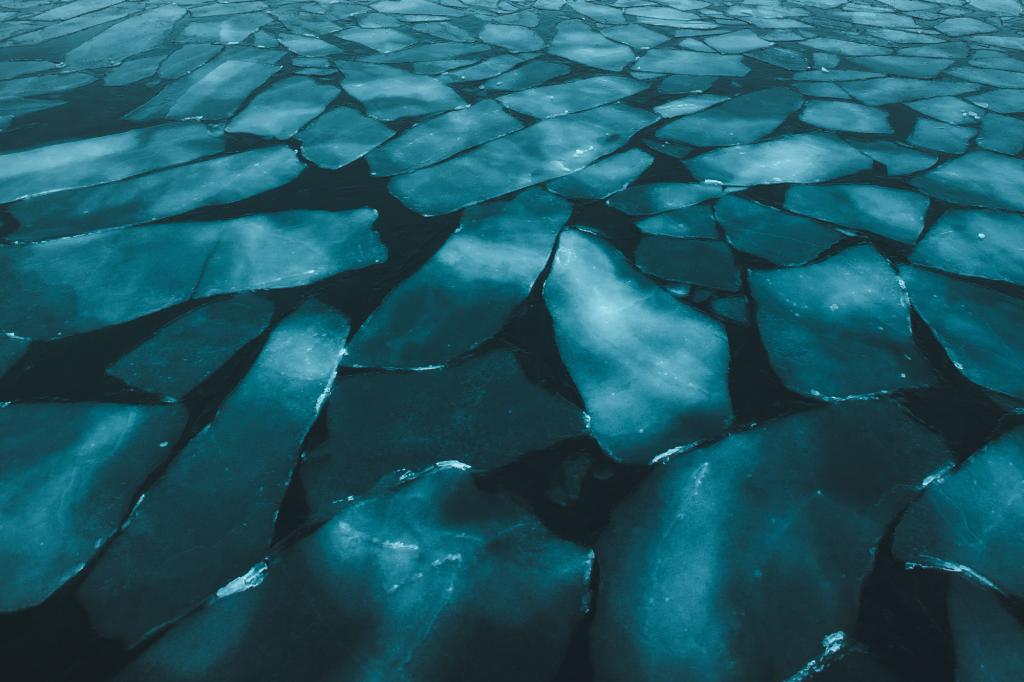
Today promises to be an incredible but cold adventure. You'll be taking a boat trip to see the colossal icebergs of Disko Bay, so dress warmly and get your cameras ready. One of our experienced captains will navigate the partly frozen waters and bring you safely close to these awe-inspiring icebergs. These towering giants originate from Sermeq Kujalleq, the most productive glacier in the northern hemisphere, which calves an astonishing 35 km³ of ice into the UNESCO Icefjord each year. You stay overnight in Ilulissat.
Day 4: Day tour to settlement Oqaatsut by boat
In the morning, you'll take a 30-minute boat ride from Ilulissat to Oqaatsut, past the monumental icebergs of the Ilulissat Icefjord. On arrival in Oqaatsut, your guide will take you on a tour of the settlement, showing you key sites such as the school, church and fish factory. You'll gain an insight into the life and history of this small community.
The tour ends at the H8 Explorer restaurant, where you'll enjoy a lunch prepared with local ingredients. After lunch, you'll have some free time to hike in the surrounding area or relax with a cup of coffee and take in the tranquil views before returning by boat to Ilulissat. You stay overnight in Ilulissat.
Day 5: Free day in Ilulissat
This day is reserved as a buffer in case activities have to be postponed due to weather conditions, or can be used to book additional tours on site. You stay overnight in Ilulissat.
Day 6: Departure
Today you have the option of flying back to Copenhagen or Keflavik, or extending your stay in Ilulissat with optional activities.

All adventure trips are undertaken on the responsibility of its participants. Greenland Tours does not assume any responsibility for accidents which are caused by its customers or can be traced to their own actions. Participants have to sign a waiver before undertaking all trips stating that they realise that all outdoor activities carry an inherent risk.
Tour related questions
-
Is this trip flexible in dates?
Since this pre-arranged adventure is an individual trip you are free to choose your preferred travel date. Possible dates only depend on the availability of the services such as flights and should also be within the recommended travel period.
-
Can the excursions and activities be customised and can I add more?
We surely can adapt this individual trip to fit your personal preferences. If our suggested programme does not entirely fit your needs you just let us know and we can remove, swap or add tours. Check out our diverse options and select your favourite add-ons. The booking of excursions and activities only depends on the availability during your travel period and on the total available travel time. Extensions are always an option.
-
In what language are guided excursions and activities offered?
Guided excursions and activities booked through us are primarily conducted in English. Participants typically come from all over the world, making English the common language used.
-
How will I know where my excursions and activities start and how can I get there?
For excursions and activities booked with us you will receive corresponding vouchers. These come together with your detailed travel documents. Your vouchers will indicate the start times of your excursions and activities, as well as the meeting points. Unless otherwise stated, you will make your own way to the meeting point. Additional transfers within the town are generally not included.
-
Do I have to pay the site fee for visiting the UNESCO Ilulissat Icefjord?
To help protect and preserve the UNESCO World Heritage Site Ilulissat Icefjord, the local municipality of Avannaata charges a site fee of EUR 10 per visitor for access to the hiking trails in the area. The fee is paid only once and covers your entire stay in Ilulissat. Guests exploring the hiking trails on their own can conveniently pay the fee on-site via a QR code displayed at the trail entrance near the Icefjord Centre.
If you have booked a guided hike to the UNESCO Icefjord and Sermermiut through Greenland Tours, this fee has already been paid on your behalf. A receipt confirming the payment is included in your travel documents.
-
How will I get from Ilulissat airport to my accommodation?
When booked in hotel category you will find a bus driver with a shuttle bus sign at the arrival hall and you will be shuttled to your accommodation. For guesthouse and hostel category there is no airport transfer included. Easiest way to get to these accommodations is by ordering a taxi (ca. DKK 130). The distance from Ilulissat airport to the town centre is about 4 km (2.5 mi), a short 5 min drive.
-
How can I get around in Ilulissat?
Ilulissat is a small town with a population of less than 5.000 residents, so distances are not so long and well managed by foot. However, be aware that streets are not paved everywhere and that there are usually no clearly defined sidewalks. It can also be very slippery in winter.
Alternatively, you may order a taxi or use the shuttle bus that runs on a schedule between many hotels, the airport and the Disko Line Explorer Office in the centre of town. There is also a public bus driving through town around 2x per hour. The cost per ride is only about EUR 3 and tickets are bought directly on the bus by credit card. It also stops in front of Hotel Søma.
Hotel Søma and Hotel Artic are set a little further up the hill overlooking the town and bay. Their distance to central amenities in town is around 1.5 km (0.93 mi) to 2 km (1.24 mi), towards the Icefjord Centre (where the hiking paths to the Icefjord start) it is around 3 km (1.86 mi). -
Can I store luggage in Ilulissat?
Depending on your arrival time your room at your accommodation might not be ready yet since check-in is usually in the afternoon. Please ask reception staff to store any large luggage so that you are free to start exploring.
Regarding multiple-day excursions it is advised to not take too much luggage along (e.g. when departing for a visit to Glacier Lodge Eqi, Ilimanaq Lodge or Igloo Lodge). Please ask the reception staff at your accommodation to store part of your luggage during your absence in Ilulissat. -
Which shopping and eating out facilities can I expect in Ilulissat?
There are supermarkets as well as little souvenir and arts and crafts shops in town. Ilulissat offers a small choice of restaurants and cafés in either the hotels' own restaurants or in town. We recommend to reserve a table upfront - you may ask your accommodation's reception staff for help.
General questions
When best to travel
-
What is the best time to travel to Greenland?
People travel in Greenland mainly in summer or winter. In summer season the best time to travel is from mid June to mid September. Early June and late September are quieter periods and not all boat tours and activities are available. However, these periods have their own charm. Winter starts in November and lasts until the end of April. For a proper winter experience, however, we recommend travelling from February to mid April as there is greater likelihood of snow, more daylight and also more activities on offer.
-
When is Greenland less suitable for travel?
October, November, December, January and May are generally quieter travel months in Greenland and may be less suitable, especially for travellers looking for the widest range of excursions and the most reliable travel conditions. During these periods, weather conditions are often more unstable, with high winds, rain, snow and fog increasing the risk of flight delays or cancellations. In addition, flight schedules to and within Greenland may be reduced, and fewer excursions and activities are available.
-
How is the climate in Greenland?
Greenland has an Arctic climate. The weather can change at an instant and also varies considerably over short distances, meaning that suitable clothing is essential at all times. The air quality in Greenland is actually among the best in the world and the air itself is generally very dry. Due to the low humidity you can see further and temperatures can feel warmer than you might expect when the sun is shining.
Temperatures in summer range between 5 and 15 °C (41 and 59 °F). Depending on the area, you can have minimum temperatures under 0 °C (32 °F) even during summer and maximum temperatures of up to 20 °C (68 °F). This maximum is mostly reached in South Greenland where even in winter temperatures are sometimes a little above 0 °C (32 °F).
Winter temperatures in general range between -5 and -25 °C (23 and 13 °F) also depending on the area. If it is windy, the perceived temperature can be as low as -40 °C (-40 °F) (wind chill factor).
You may check on the current weather in Greenland below:
Weather in Greenland -
What are typical activities in summer or in winter?
In summer you may join boat tours, sailing trips or go trekking, hiking, iceberg and glacier exploring, kayaking, whale watching and visiting remote settlements. In winter the main activities are Northern Lights hunting, dog sledding, snowshoeing and snowmobiling or you even try sleeping in an igloo.
-
Where and when can I best witness the midnight sun?
The phenomenon of the midnight sun is caused by the tilt of the Earth’s axis and its orbit around the sun. This turns the region around and north of the Arctic Circle towards the sun during summer so that it is visible around the clock.
It is an amazing experience to travel and not see night during your trip. For how many days this can be witnessed depends on the latitude of the places you visit. The further north you travel, the more daylight you will have. If you travel in Disko Bay or at the east coast between the beginning of June and mid July, you will observe this phenomenon. There is no midnight sun in the southerly regions of Greenland, though the nights are certainly very light during summer.
You can find exact daylight hours at different places and times in Greenland under the link below.
Sunrise and sunset times in Greenland -
Where and when can I best witness the northern lights?
The northern lights are a natural phenomenon, thus we cannot guarantee that you will see them during your trip. However, Greenland is one of the best places to observe them and if you are traveling in Greenland from end of August to end of March, chances are good that you will be able to encounter them.
The very best period to see the northern lights is during deep winter, from mid November to mid March during the new moon and when the sky is clear. The best conditions to observe this phenomenon are found away from towns and settlements, where there is no artificial light. In South Greenland you can also observe them during summer after mid August, when the nights get darker.
Northern lights tours are offered on the most regular basis in February and March.
-
How do daylight hours vary in Greenland?
Since Greenland is a very extensive country the exact amount of daylight depends on the latitude of the places you visit. In Ilulissat in Disko Bay, the most visited place in winter, the daylight diminishes quickly from end of October onwards. The polar nights in that area, with the sun not rising above the horizon, last from end November until mid January.
After that, the light returns rapidly and becomes slightly brighter every day until the days of the midnight sun return. Each season and area comes up with a specific light that gives a special atmosphere to your trip. Such as the winter darkness, when the snow reflects the moonlight and the northern lights are observed at its best.
You can find exact daylight hours at different places and times in Greenland under the link below.
Sunrise and sunset times in Greenland
Entering Greenland
-
Which entry requirements apply to Greenland?
In order to provide you with the most up to date information on entry requirements for Greenland we would like to refer to the official portal of the Danish Immigration Service.
There you will find the countries without visa requirement listed and it is outlined what the conditions for visa-free travel to Greenland are and which entry documents are required for that. As a citizen of a visa-free country, you do not need a visa to enter Greenland. However, an ID card issued by an EU or Schengen country that is valid for entry into Denmark does not give permission to enter Greenland. Such individuals will require a valid passport to travel to Greenland.
The countries with visa-requirement are also listed and you come to know how to apply for a visa to enter Greenland. Please find the corresponding portal "New to Denmark" below.Entry requirements for Greenland -
What are the customs regulations entering Greenland?
Please find Greenland customs regulations in the document below.
On leaving the country attention should also be paid to the following:
When you buy Greenlandic handicrafts please note that special permits are required, or in certain cases that it is completely forbidden, to export items that contain components of rare plants or animals. You find detailed information on these rules as well as the respective CITES application form below (souvenir & handicraft shops also provide these forms).Greenland customs regulationsCITES rulesCITES application form -
Is it safe to travel to Greenland right now?
Yes. Greenland remains a peaceful and stable destination and is fully open to travelers. Daily life across the island is unchanged, flights are operating normally, and travel services continue as planned.
Greenland has a well-established system of governance, strong ties to Denmark and Europe, and a high level of public safety. There are currently no travel restrictions, no local safety concerns, and no official advisories affecting tourism.
As a specialist travel agency focused on Greenland, we work closely with trusted local partners and monitor guidance from relevant authorities. If any developments were to affect travel, we would inform our clients clearly and promptly.
For visitors, the experience in Greenland continues to be calm, remote, and centered on nature, culture, and exploration.
Getting there and around
-
How can I get to Greenland?
Greenland is accessible by direct flights from Keflavik (Iceland), Copenhagen (Denmark) and New York (United States).
From Keflavik (Iceland):
Icelandair flies all year to Kulusuk in East Greenland as well as to Nuuk, the Greenlandic capital. During winter and summer season Icelandair also flies to Ilulissat in Disko Bay. Furthermore, Icelandair operates flights to Qaqortoq in South Greenland during summer.From Copenhagen (Denmark):
Air Greenland flies to Nuuk all year and to Kangerlussuaq during summer. From these airports you can connect to further towns and settlements. From 29 October 2026, direct flights to Ilulissat are also introduced (initially once weekly, with increased frequency during peak periods).From New York (United States):
United Airlines flies to Nuuk during summer. From Nuuk International Airport you can connect to further towns and settlements with Air Greenland.Our trips usually do not include the flights, but we can certainly arrange them for you. For each tour you will find more information on suitable flights including a price estimate. In addition to travel by air, you can also get to Greenland on one of our sailing expeditions from Iceland. Greenland Tours does not offer classic cruises.
-
Do I need to stopover before or after travelling to Greenland?
Direct flights to Greenland are operated from New York (United States), Copenhagen (Denmark) and Keflavik (Iceland). The flights to Greenland usually leave during the morning and arrive back from Greenland in the evening. Therefore, we advise to allow for some time buffer as follows:
Flying to Greenland from/to Copenhagen:
You should spend at least one night in Copenhagen before and after your flight to Greenland. If travelling further with a long distance flight from Copenhagen, we even recommend to spend at least two nights in Copenhagen before flying back home. This creates a safety buffer in case your return flight from Greenland should be delayed due to bad weather and can avoid high extra costs for missing your connection homewards. For tighter return travel without the recommended extra nights, we strongly recommend booking flexible flight tickets.Flying to Greenland from/to Keflavik:
You should spend at least one night in Keflavik before your flight to Greenland and at least two nights in Keflavik or Reykjavik before flying back home. This creates a safety buffer in case your return flight from Greenland should be delayed due to bad weather.
Icelandair also offers connections without having to spend the night in Iceland. In such cases we highly recommend to book all flights on an Icelandair ticket so that the airline can take care of rebooking your connecting flight in case of flight delays.Flying to Greenland from/to New York:
You should spend at least one night in New York before and after your flight to Greenland. If travelling further with a long distance flight from New York, we even recommend to spend at least two nights in New York before flying back home. This creates a safety buffer in case your return flight from Greenland should be delayed due to bad weather and can avoid high extra costs for missing your connection homewards.
United Airlines also offers connections without having to spend the night in New York. In such cases we highly recommend to book all flights on one ticket so that the airline can take care of rebooking your connecting flight in case of flight delays. -
How long are flight durations to Greenland?
Flight times of direct connections:
Keflavik - Kulusuk > 1h 50min
Keflavik - Ilulissat > 3h 30min
Keflavik - Nuuk > 3h 45min
Keflavik - Qaqortoq 3hCopenhagen - Nuuk > 4h 50min
Copenhagen - Kangerlussuaq > 4h 40min
Copenhagen - Ilulissat > 5hNuuk - Ilulissat > 1h 20min
Nuuk - Sisimiut > 55min
Nuuk - Qaqortoq > 1h 25minKangerlussuaq - Ilulissat > 45min
Kangerlussuaq - Nuuk > 55min
Kangerlussuaq - Sisimiut > 30minNew York - Nuuk > 4h 15min
Please note that departure and arrival times on your flight ticket are always stated in local time and that there is a time difference between Denmark (in summer GMT+2) and Greenland (Kangerlussuaq in summer GMT-1) as well as Iceland (GMT) and Greenland (Kangerlussuaq in summer GMT-1). In other words, if you depart 09:00 local time in Copenhagen and arrive 10:40 local time in Kangerlussuaq, your flight time is not 1h 40min, but 4h 40min due to the time difference of 3 hours between Denmark and Greenland.
-
What is the baggage allowance on flights to Greenland?
Icelandair
In economy class (standard & flex fare) you may take up to 20 kg of checked baggage and hand luggage up to 6 kg. Hand luggage should always be kept to a minimum since there is limited space in the overhead compartment on board. Maximum size of hand luggage: 55 x 35 x 20 cmAir Greenland
In economy class you may take up to 20 kg of checked baggage and 1 item of hand luggage up to 8 kg. In premium class passengers are allowed to have checked baggage weighing up to 30 kg and 2 items of hand luggage provided that the total weight does not exceed 8 kg. Maximum size of hand luggage: 55 x 40 x 23 cmUpdated information as well as details on charges for excess baggage can be found directly on the airlines webpages.
-
How can I get around in Greenland?
Getting around in Greenland is an adventure itself. It is the world's largest island with towns and settlements scattered along the coastline, far away from each other. There are no roads connecting the towns and settlements, thus boats, airplanes and helicopters are the primary means of transportation. The coastal ferry 'Sarfaq Ittuk' sails between Qaqortoq in South Greenland and Ilulissat in West Greenland, connecting the communities along the West Coast. Greenland's East is even more remote and can only be reached by ship or by airplane from Iceland or from Nuuk.
In winter dog sleds and snowmobiles provide access to hunting grounds and also serve as vehicles for adventurers.
Booking your adventure
-
How do I book a tour with Greenland Tours?
You can simply send us your preferences for your favourite tour through our 'request a quote' form. Soon after you will receive a detailed offer based on your individual request and wishes. When your adventure is fine-tuned and you are ready to book, you just let us know and we will send you a registry link to fill in your personal information.
Once we have received your details, we will send you an invoice asking for a deposit payment of 40% of the total tour price (by bank transfer or VISA/Mastercard via a secure credit card link). After receiving your deposit we will start the booking process and get back to you after all services have been confirmed. The remaining amount will be due 1 month prior departure.
-
How far in advance do you recommend to book?
We recommend to contact us as soon as you have made up your mind about travelling to Greenland. Given that only very few airlines are flying there and accommodation is scarce too, the earlier you book the more choices you have. One year in advance is great, since this is when airlines usually publish their schedule. As closer as it gets to the travel date the more flexibility is required. Sure we will also manage short-term requests, but expect higher airfares and more limited accommodation options.
-
Should I book activities in advance or can I book them on the spot?
Both is possible, but we do recommend to book favourite activities upfront. That saves you a spot already and spares you from missing some great adventures due to unavailability. It also allows for fine-tuning the daily itinerary in advance. For air sightseeing by helicopter or small plane however, we recommend to book on the spot to ensure best weather conditions.
-
When and in what format do I receive my travel documents?
You will receive login details for accessing your travel documents within our travel app circa 3 weeks prior departure, after your final payment has been registered. The travel documents include your trip-specific equipment list, your detailed itinerary as well as your flight tickets and vouchers for all booked services. The travel app comes with further tips and hints such as points of interest and FAQ to help you best prepare for your adventure and to be well informed on-site.
-
What if I have to cancel my trip?
Please notify us immediately by email if you need to cancel your trip. In the event of cancellation, our terms and conditions apply, and cancellation fees will be charged depending on how far in advance you cancel before your departure date. We strongly recommend buying travel cancellation insurance, which may cover certain insured reasons for cancellation, depending on the policy, for example in the event of a sudden serious illness. You can find our terms and conditions below.
Terms and conditions
Being safe and sound
-
Do I need travel insurance?
We strongly advise our adventurers to be covered by travel cancellation and interruption insurance as well as by comprehensive travel health insurance including search and rescue and medical repatriation expenses. Travel insurance can be obtained from various sources, like your local insurer. Fore further info visit our travel insurance section.
Travel Insurance -
Are vaccinations required when travelling to Greenland?
There are no mandatory vaccination requirements for travelling to Greenland. We do, however, recommend that travellers check that their routine vaccinations are up to date before departure, based on their age and personal health status. Depending on the nature and length of the trip, it may also be advisable to seek medical advice in advance.
-
Do I need to meet certain requirements when taking part in your tours?
This depends on the tour your are taking - Greenland Tours offers a great variety of tours that also differ in their difficulty level. The level can range from easy and moderate to challenging or even hard. Each of our individual tours as well as our group tours is classified accordingly, showing you which adventure is the best fit for you.
In addition to that, our individual tours can also be customised taking into account your very own needs and requirements regarding the degree of difficulty and types of activities. You can see all our difficulty levels below.
Difficulty levels -
What about medical care in Greenland?
Greenland, as the world's largest island, with about 85% of its territory covered by ice, has a population of only around 57,000 people living in small towns and settlements far apart from each other. There are only five regional hospitals, located in Ilulissat, Aasiaat, Sisimiut, Qaqortoq and Tasiilaq. Smaller towns have only basic health centres, and there are no doctors or nurses present in settlements. People with more severe medical conditions must travel to the national hospital in Nuuk or to specialised hospitals in Denmark. Medication can only be obtained from hospitals, as there are no pharmacies in Greenland. Only a limited range of medicines, such as painkillers or antihistamines, can be found in supermarkets. Therefore, travellers are kindly asked to bring their regular prescription medication, as certain medications may not be available locally. Please also ensure it is permitted for entry into Greenland and carry a sufficient supply in case your stay is extended due to unforeseen delays.
The Health Authorities advise to obtain a comprehensive travel health insurance that covers all aspects of ill health, including sudden onset of disease emergencies, hospital admission, therapy, medication, dental care and home transportation as well as ambulance transportation from sparsely populated or desolate areas in Greenland.
Please find the rules governing health care provision for temporary residents (people staying six months or less) in Greenland and also more info on Greenland's healthcare system below.
Health care provision for temporary residentsGreenlandic healthcare system -
Can I travel with children in Greenland?
Greenland is not a typical destination for families with young children. Due to its remote location and Arctic climate, travel plans can be affected by changing conditions and therefore require a high degree of flexibility. For example, adverse weather may lead to flight delays or cancellations, longer waiting times, or adjustments to the planned programme. In addition, many activities such as snowmobiling, snowshoeing, glacier excursions or kayaking have minimum age requirements.
For these reasons, we generally do not recommend travelling with babies or young children. The minimum age for our individual trips is usually 8 years in summer and 12 years in winter, depending on the specific itinerary and activities.
If you decide to travel with children, they should enjoy outdoor activities, be well prepared for varying weather conditions, and the itinerary should be carefully adapted to suit the whole family.
-
Is it safe to travel to Greenland right now?
Yes. Greenland remains a peaceful and stable destination and is fully open to travelers. Daily life across the island is unchanged, flights are operating normally, and travel services continue as planned.
Greenland has a well-established system of governance, strong ties to Denmark and Europe, and a high level of public safety. There are currently no travel restrictions, no local safety concerns, and no official advisories affecting tourism.
As a specialist travel agency focused on Greenland, we work closely with trusted local partners and monitor guidance from relevant authorities. If any developments were to affect travel, we would inform our clients clearly and promptly.
For visitors, the experience in Greenland continues to be calm, remote, and centered on nature, culture, and exploration.
Money matters
-
What is the currency in Greenland?
In Greenland, the currency is the Danish krone (DKK). 100 DKK = approx. 13.38 EUR (April 2026), 1 EUR = approx. 7.47 DKK (April 2026).
-
How much Danish krone (DKK) in cash should I bring to Greenland?
You do not necessarily have to take a lot of cash money in Danish krone (DKK) with you to Greenland since common credit cards are accepted at most places and ATMs are found in the larger towns. We therefore suggest to rather bring a smaller cash amount e.g. for visits to smaller settlements or for tip.
-
Where can I withdraw money in Greenland?
Cash Dispensers (ATMs) for cash withdrawal can be found in the following towns: Nuuk, Ilulissat, Kangerlussuaq, Sisimiut, Narsaq, Qaqortoq, Nanortalik, Paamiut, Maniitsoq, Aasiaat, Qasigiannguit, Qeqertarsuaq, Uummannaq, Upernavik, Tasiilaq. ATMs usually accept Visa, Mastercard, Eurocard, Diners, Dankort and American Express as well as Maestro and Cirrus.
-
How is the acceptance for credit cards in Greenland?
Common credit cards are accepted at most places such as hotels, restaurants and shops. In smaller settlements though, it is a good idea to have some cash in Danish krone with you. Cash Dispensers (ATMs) take the following credit cards with pin code: Visa, Mastercard, Eurocard, Diners, Dankort and American Express.
-
Is tipping common in Greenland?
In Greenland service charges and tip are included in the prices. A tip is therefore not required. But if you are very happy with a service, nobody is offended if you tip and it will be appreciated. How much tip you give is entirely up to you.
Having a chat
-
What is the official language in Greenland?
Greenlandic (kalaallisut = “The Greenlanders’ language”) belongs to the Inuit-Aleut family of languages closely related to Inuit languages in Alaska and Canada. It has an agglutinating structure meaning that one sentence can be uttered in a single word.
There are four dialects: West Greenlandic, South Greenlandic, East Greenlandic and the Thule dialect whereas West Greenlandic is the official language used for teaching and administration and also forms the basis of written Greenlandic. Written Greenlandic uses the Latin alphabet. In addition, Danish is taught as the first foreign language at school as well as English.
-
Can I get by with English in Greenland?
The majority of the population speaks good Danish and the younger generation also English. Guided excursions are mainly offered in English. In remote small settlements, however, inhabitants usually don’t speak any English. So it would be great to come up with some basic Greenlandic words like the following:
Hello - Aluu
Goodbye - Baaj
How are you - Qanorippit
Yes - Aap
No - Naamik
I don’t understand - Paasinngilara
Repeat please - Utilaaruk
What is that - Sunaana
A little bit - Immannguaq
Could you help me, please - Ikiulaannga
Thank you - Qujanaq
See you soon - Takuss
Staying connected
-
How is mobile phone reception in Greenland?
The mobile phone system in Greenland is GSM 900/1800, and with the exception of one or two settlements the system covers almost all of the inhabited areas in Greenland. There is no coverage outside of the settlements and at sea. Calling home from Greenland on your mobile phone can be very expensive, you should therefore check on the expenses with your mobile service provider.
-
How is internet and mobile internet connection in Greenland?
At most accommodations in towns and settlements WiFi internet access is provided. Often you can access for free, though at some places you still need to pay a fee. In towns and settlements you can also access mobile internet on your smartphone via Telepost’s network by roaming, which is quite expensive. Please check with your mobile service provider regarding their roaming agreements with Greenland.
Greenland Tours recommends to disable data roaming prior to arrival to avoid high costs and to use WiFi options at the accommodations instead.You may also purchase a Greenlandic eSIM from Tusass, the local provider. If your phone supports dual SIM and is eSIM-compatible, you can use the eSIM for mobile data while keeping your home SIM (the number you registered with us during booking) active to receive important updates from airlines or local operators - just check roaming charges and disable mobile data on your home SIM.
Tussas: Info about Greenlandic eSIMBlog: Experience with Greenlandic eSIM -
How will Greenland Tours contact you once in Greenland?
In some cases, we may need to contact you while you are travelling in Greenland, for example if an activity schedule changes due to weather conditions. If we can not reach you by calling, we will either send you an e-mail or a text message on your mobile phone with all necessary details. Another way is to have information forwarded to you by your accommodation's reception staff.
For this reason, it is important that you provide the mobile phone number you will be using in Greenland when booking. If you use a Greenlandic eSIM, please keep your registered home number active so that we can reach you. -
Do I need a power plug adapter or voltage converter?
In Greenland, power plugs and sockets are mainly of type C and F (standard European plugs with two round pins). Travellers from countries with different plug types will need an adapter.
The standard voltage is 230 V and the frequency is 50 Hz. If your appliances operate within the range of 220–240 V (as in Europe, Australia, and most of Asia and Africa), you can use them without a voltage converter. If they operate on 100–127 V (as in the US, Canada, and parts of South America), you will need a voltage converter.Many chargers for devices such as laptops, mobile phones, cameras, or electric toothbrushes are dual voltage and do not require a converter if labeled “INPUT: 100–240 V, 50/60 Hz”. To be sure, please check the label on your charger.
Sleeping and eating
-
What types of accommodation are there in Greenland?
There are various types of accommodation in Greenland including hotels, guesthouses, hostels as well as bed & breakfast places at local homes. The style is usually nordic - simple, minimal and functional with clean lines. If you join a sailing expedition or take the coastal ferry 'Sarfaq Ittuk' you will be accommodated in cabins or couchette/berth.
To be even closer to the wild nature you can join the camp on the Ice Cap, stay at a hut overlooking a calving glacier or sleep in a tent or hut in the Arctic tundra on one of our trekking tours. In winter you might try out sleeping in an igloo or catching the Aurora from a glass-roofed cabin.
Please note in general, since towns and settlements are small, accommodation is limited and we therefore recommend to book well in advance.
Blog: Where to stay in ilulissat -
What is the Greenlandic cuisine like?
The area where selected fruits and vegetables can be grown is limited to arable land in South Greenland. Besides that, fresh greens are mostly imported from Denmark or Iceland, causing them to be rather expensive and not very varied. The mammals that endure the Arctic conditions, the fish from the wide open sea and from rivers as well as birds are hence providing the vital food for Greenlanders.
The menu for meat lovers consists of reindeer, muskox and lamb and is completed by small game such as ptarmigan and snow hare. Since livestock can mostly graze wild in Greenland's vast backcountry the meat is very tender and of high quality. In addition, there is a broad selection of fresh fish from the Arctic ocean - cod, trout, Arctic char, redfish and halibut as well as snow crab, shrimp and prawn.
Special delicacies in Greenlandic cuisine include sea mammals like seals and smaller whales - such as the national dish 'Suaasat' which is a savory soup made of boiled seal meat. Also local herbs and berries like angelica, crowberry and blueberry find their way onto plates of distinct chefs.
More info on food in Greenland can be found here:
Greenlandic specialtiesBlog: Eating in Greenland -
What choice of restaurants is there in Greenland?
Nuuk, the capital city of Greenland, offers the most diverse choice of restaurants. Here you can not only enjoy Greenlandic cuisine, but also local ingredients prepared in different international styles.
Ilulissat in Disko Bay also has a small choice of restaurants and cafés in either the hotels' own restaurants or in town. We highly recommend to reserve a table - you may ask your accommodation's reception staff for help.
In the smaller settlements there are usually not many places to eat out and options are mostly limited to the hotel's own restaurant and local cafés.
-
How can I cater for myself in Greenland?
Accommodations as hostels or guesthouses usually provide a common kitchen where you can prepare meals yourself. There are also apartments or studios that have a small kitchenette. You may shop your groceries at a supermarket in the towns and settlements. The smaller settlements normally only have a single corner store that sells food and other useful items.
Since almost everything has to be imported to Greenland by aircraft or ship, price levels tend to be higher than in Europe. This applies especially for fresh fruit and vegetables as well as dairy products and alcohol. On the other hand, it is often possible to buy fresh fish or local meat at reasonable prices.
Please don't expect to find a very large selection or very specialised goods in the shops. We therefore suggest to take certain snacks from home (only dry and approved provisions), if you don't want to miss out e.g. on your favourite chocolate or muesli bar or if you need special vegetarian, vegan or gluten-free alternatives.
-
Is there vegetarian or vegan food in Greenland?
Greenlanders diet is dominated by a wide range of fish and meat. Some types of fruits and vegetables can be grown in South Greenland. Apart from that, fresh greens are mostly imported by aircraft or ship from Denmark or Iceland, causing them to be rather expensive.
Restaurants in the larger towns or in the more popular tourist areas offer a small selection of vegetarian food. Also on group tours, that include board, the dietary requirements of vegetarians or vegans are cared for when announced in advance. However, vegetarian and vegan options in Greenland are generally limited.
Blog: Eating in Greenland - between traditions and challenges -
What are the approximate costs for meals?
It depends if you shop groceries at a supermarket and cater for yourself or if you eat out and what style of restaurant you choose. Prices for a lunch at a hotel restaurant range around EUR 20-30. Prices for a dinner main course at hotel restaurants start from around EUR 35. Three course dinners range around EUR 60-80.
Facts and figures
-
How many people live in Greenland?
The world’s largest island is home to only around 57,000 people, who live almost exclusively in small towns and settlements along the coastline. More than 60% live in the five largest towns: Nuuk, Sisimiut, Ilulissat, Aasiaat and Qaqortoq. The capital Nuuk alone has around 19,900 inhabitants. Greenland’s overall population density is the lowest in the world.
-
What is the capital city of Greenland?
Nuuk is the capital city and also the largest city in Greenland. It is one of the smallest capitals in the world, a vibrant and colourful city where traditions merge with the modern Greenland, a city filled with art and surrounded by pristine nature.
-
What religions are there in Greenland?
The predominant religion in Greenland is Christianity, particularly Evangelical Lutheranism. Greenland has its own diocese within the Church of Denmark, and churches are found in towns and settlements throughout Greenland. Nuuk also has a Catholic church, and other faith communities are represented in Greenland as well.
At the same time, traditional Inuit beliefs are an important part of Greenland’s cultural identity and heritage. They are reflected in stories, traditions, and ways of life shaped by a close relationship with nature, community, and everyday life, and they remain significant in Greenland today. -
Are there UNESCO World Heritage Sites in Greenland?
There are three UNESCO World Heritage Sites in Greenland.
The Ilulissat Icefjord earned UNESCO status in 2004. The fjord is packed full of gigantic icebergs that have calved from the glacier Sermeq Kujalleq, the fastest-moving glacier in the northern hemisphere. The area can be explored by hiking to the coastline as well as by boat and helicopter.
Kujataa was declared UNESCO World Heritage Site in 2017. This region in South Greenland covers five different spots where Vikings started to arrive and establish farms in the 10th to 14th century and also bears witness to Inuit farming and hunting communities in the area. Preserved ruins, small settlements and farms can be explored by hiking and boat transfers.
Aasivissuit – Nipisat is Greenland’s most recently inscribed site (2018). This huge area inside the Arctic Circle in central Western Greenland extends from the ice cap to the sea and has been an Inuit hunting ground for about 4.200 years. It bears witness to seasonal migrations and includes archaeological sites from Paleo-Inuit and Inuit cultures.
Traditions and culture
-
How can I experience Greenlandic culture?
A good way to experience Greenlandic culture is by joining day tours and activities led by local guides. This offers the chance to meet local people and gain insight into everyday life, traditions, and the culture of the places you visit.
You can also learn more about Inuit culture by visiting one of the smaller settlements. Attending a kaffemik or visiting markets and harbours, where local fishermen go about their daily work, can also offer a closer connection to local life. Museums provide valuable insight into Greenland’s history and culture, and a visit to Katuaq, Greenland’s cultural centre in Nuuk, is also well worth including.
Travelling on the coastal ferry Sarfaq Ittuk, which connects towns and settlements along the west coast, allows you to travel alongside local residents. For an even more traditional and adventurous perspective, you can join a musher on a dog sled, one of Greenland’s most iconic experiences.
-
What is a kaffemik?
A kaffemik is a social gathering in Greenland where, other than the name indicates, not only coffee is served. It is the Greenlandic way of celebrating a special event such as a birthday, first day of school or confirmation or the like. Greenlanders invite their guests to their own home which gets nicely decorated. Homemade food and cakes are prepared and family, friends, neighbours and colleagues are welcomed throughout the whole day.
Travellers also have the chance to experience a kaffemik at a local home which is more about getting an insight into Greenlandic life than celebrating.
-
What is a Tupilak?
A Tupilak represents an avenging creature that was mostly carved out of animal bones. The small bone figure was thrown into the ocean to destroy an enemy. Today Tupilak are an integral part of the Inuit art culture. Travellers can find them in many places and they are made out of all kinds of materials.
-
What does Greenlandic traditional dress look like?
Traditional dress in Greenland has its roots in Inuit clothing made from animal skins and fur, designed to protect against the Arctic climate. Over time, contact and trade with Europeans in the 17th and 18th centuries introduced new materials such as textiles and glass beads. These gradually found their way into the traditional dress, which developed especially for festive occasions. This is particularly visible in the colourful women’s national costume. Traditional dressmaking remains an important part of Greenlandic cultural heritage.
 A women from Nuuk in Greenland wearing her national costume for the National Day celebrations on June 21© Visit Greenland - Mads Pihl
Encountering wildlife
-
What animals live in Greenland?
Distinctive animals in Greenland are the white polar bear - the world’s largest land predator which also adorns Greenland’s national coat of arms - as well as the musk ox, the narwhal and the walrus. Further animal species are seals, whales, arctic foxes, arctic wolves, reindeer, collared lemmings and snow hares.
Moreover, there are tremendous amounts of fish and a rich bird life which comprises some 50 breeding species. There is also livestock in South Greenland, among them are sheep, reindeer, cows, horses, dogs and fowls. Characteristic for Greenland are also the sled dogs. Greenland dogs pull the sled which is used for hunting and fishing in North Greenland.
-
How likely is it to encounter a polar bear in Greenland?
The polar bear lives in Northwest and Northeast Greenland, but occasionally turns up in other parts of the country since it may move with the drifting sea ice and its main food source the seals. In summer it often goes ashore to find vegetation.
Still, it is very rare to actually see a living polar bear, since they have their home in the vast wild parts of the country, coming seldomly near inhabited areas. The chances of encountering a polar bear are highest when sailing along the East coast or when hiking in polar bear territory.
Please find important info on encountering polar bears in Greenland below and follow the necessary precautions.
Encountering polar bears - infographicGuidelines for encounters with polar bears -
How are the chances for whale watching?
Up to 15 species of whales are found in Greenland's waters. The most common are fin, humpback and minke whale. In summer they come all the way from the Caribbean Sea to feed in the Arctic ocean.
Others, that are quite rare to spot, are the extraordinary beluga whale and narwhal that have their permanent home in Greenland. Part of the year blue whales and orcas also traverse the waters. The rare bowhead whale can sometimes be spotted around Disko Island.
June to September is main season for whale watching tours.
-
Are there mosquitoes in Greenland?
There are mosquitoes and midges (small black flies) in the summer months, approximately from June to August. Since the defrost water can not infiltrate deep into the permafrost soil it forms puddles where mosquitoes can breed. They usually disappear with the first night frosts, starting end of August and in September depending on the area.
We recommend to bring a mosquito head net, repellent and after-bite. Greenlanders keep mosquitoes away with the juice of the leaves from Labrador tea (qajaasat). Besides, when it is windy mosquitoes won't bother you, they also don't like the breeze by the sea and will not show up while you are sailing.
-
Beware of sled dogs!
Riding a dog sled is one of the most authentic ways to experience the Arctic nature. It has been a mode of transport in Greenland for more than 5.000 years. The Greenland dog that is pulling the sled, is a hard-working, wild pure breed dog bursting with energy. So always keep a safe distance and never try to pet one without asking the musher first!
Find more info below.Beware of sled dogs
Being stuck in Greenland
-
How about the risk of flight delays and cancellations in Greenland?
Greenland's remoteness and wilderness make it special but also put some strain on its accessibility as nature clearly sets the agenda. The weather is unpredictable and can change considerably and all of a sudden.
That means it is not unusual to experience flight delays or cancellations, especially if you have many connecting flights planned. Given that there are only a few daily flights entering the island and that domestic transportation is - besides some regional ferries and the coastal ship - based on small planes and helicopters, weather challenges or technical issues can have an impact on travellers' itineraries.
-
What happens when my flight is delayed or cancelled?
In case of a flight delay or cancellation you should stay in close contact with the airline and check on any updates with the airline's counter staff. You should also inform Greenland Tours so that we can take further action regarding necessary rearrangements. Usually, when you have booked your flights directly through us, we will also be notified by the airline about schedule changes. So we will contact you as well and will be of your assistance through phone, by email and text message, rearranging your travel plans and keeping you updated.
The airline will arrange accommodation and meal tickets if major delays occur and will of course do the utmost to get you back on track as quickly and smoothly as possible, always keeping your safety as first priority.
Some flexibility, acceptance and trust will help in making the best out of any waiting time!
You can check on the latest flight updates on Greenland's Airports Website below.Greenland Airports -
How can I best use my extra time when being stuck?
First, it should be clear when your journey will continue. So being in close contact with the airline or concerned transportation company as well as Greenland Tours has top priority to ensure that you don't miss your postponed departure. Once you know what time you are carrying on, we advice to make the best out of any waiting time.
You may ask the reception staff at your accommodation for available activities and excursions and also check with Greenland Tours what is available and recommended during your extended stay. It is always worth to check out the area in more depth and immerse into the local life until your journey continues.
-
How can I best use a stopover in Kangerlussuaq?
If you are flying with Air Greenland, your flight may include a stopover in Kangerlussuaq before continuing by domestic flight to your final destination. How this stopover can be used, depends on how much time you have. Flight delays or cancellations can indeed cause the planned stopover to be extended.
You are allowed to leave the airport during the stopover. For shorter stops without significant delays your luggage will be automatically checked through and you will only pass the security check again to board the connecting flight. In case it is a longer delay and you are even staying overnight in Kangerlussuaq you take your luggage.
The hotel in Kangerlussuaq with cafeteria, restaurant and bar is directly joined with the airport building. There is also a sun terrace from which the airport bustle can be observed. Just outside the airport there are some souvenir shops and a supermarket. You may explore the area and the actual town, which is on the other side of the airport, by shuttle or on foot. If time permits you should ask about available excursions. Dinner is recommended both at the hotel and at the Restaurant Roklubben on the shores of Lake Ferguson, which can be reached by shuttle in 5km.
-
What happens if the local provider cancels an activity due to bad weather?
Safety always comes first. Activities may need to be adjusted, rescheduled, or cancelled at short notice by the local provider due to weather conditions, for example because of strong wind, rough seas, or ice conditions. In such cases, the local provider will inform you directly and, where possible, try to reschedule the activity or offer an alternative. If no alternative is available, please contact Greenland Tours. We will help you with further options or arrange a refund for the cancelled activity after your trip.
What’s more...
-
Are the trips you are offering group or individual trips?
Many of our pre-arranged adventures are individual trips, meaning you are discovering Greenland on your own but joining selected guided group activities during your stay. Almost all of these activities are guided in English and participants are from all over the world.
We also offer a selected range of guided group tours - among them trekking & hiking tours as well as sailing, kayaking and dog sledding expeditions. The group composition is international and they are guided in English.
-
Can you send us a printed brochure or catalogue?
We don not issue printed brochures or catalogues, but you can find all our tours here on our homepage.
As Greenland Experts we can also design a customised tour for you that best fits your individual needs and requirements. Send us your request through our 'request a quote' form or contact us via email or phone and we will gladly provide detailed advice.
-
Where can I find good maps and city maps?
You can obtain a full range of Greenland maps from Scanmaps online, including Saga Maps that publish regional maps of all the inhabited areas in Greenland in 1:250.000. These are no hiking maps, but provide a good overview of the area and some of them also refer to particular topics such as the Viking settlers or Inuit culture.
There is also a number of hiking maps that cover the most popular hiking areas in Greenland in 1:100.000 - they are sold in Greenland at bookshops and tourist offices as well as online. In most towns, the local tourist office or your accommodation can also provide you with a free town map.
Please follow the links below for regional maps and hiking maps.
Greenland regional mapsGreenland hiking maps
Below is an equipment list with items we highly recommend you bring on the journey. To enjoy the trip to the fullest, comfortable and good equipment is essential. So be a bit picky about what you bring on our trip, make sure it is adequate for arctic conditions.
We recommend you take the most important equipment with you as cabin luggage or carry the respective clothes/shoes on your body, notably boots and trousers, fleece shirt, warm and waterproof jacket, functional underwear, glasses, hat, gloves and everything else you consider important. In case of baggage loss you are thus at least able to start the tour.
Clothing & Footwear
- Non-cotton, wool long sleeves and tights (base layer)
Base layers are designed to keep you warm despite they might be wet from sweating, for example - therefore they must not be cotton but instead a lightweight wool or other fast-drying fiber. Base layers will also keep you warm if, for example, your outer layers are not entirely windproof or waterproof. If there is one thing to stress, it is that having several light layers to choose from, or use in combination with each other, is far more valuable for regulating body temperature than having one or two heavy layers that might make you too cold or too hot, but never just right. It is recommended to bring a selection of long-sleeve shirts and pants for lightweight base layers, so you have a few extras.
- Wool sweater, fleece or PrimaLoft jacket (mid layer)
A wool layer is always nice to have as additional warmth. It should not be your heaviest winter sweater, but just something you feel could make you warm and cosy if you had a persistent chill. It is recommended to bring a light- to medium-weight wool sweater or a fleece or prima loft jacket.
- All-purpose or fleece pants (mid layer)
It is recommended to bring a pair of light, loose breathable pants as a sort of all-purpose pants. Fleece pants can be useful if you easily feel cold. Jeans are strongly discouraged.
- breathable light jacket (outer layer)
When you’re on land, and if it’s dry, the waterproof jacket layer won’t be necessary, but you’ll need more than a base layer. It is recommended to bring a light jacket, or even a vest. Lightweight puffy jackets work well.
- windproof & waterproof jacket and pants (outer layer)
Whether it’s to protect you from wind and rain on land or from ocean spray while sailing, having good outer layers to protect against the elements will make the difference between a pleasant and unpleasant trip. It is recommended to bring both a windproof/waterproof jacket and a pair of windproof/waterproof rain pants. Gore-Tex is a leading manufacturer of breathable and waterproof layers.
- warm hat and light (fleece) gloves
A bit of wind, a mammoth iceberg nearby, and even fog can have more effect on the air temperature than you might imagine, and it can be magnified when sailing or standing a few hundred meters above sea level. Even though it is summer and there is not a single patch of snow to be found, you still need to be prepared with a few of the more ‘wintery’ items. It is recommended to bring a warm hat and gloves. As a light version, a buff to wear around the head or neck is also useful.
- hiking boots
Footwear is of the utmost importance in Greenland. It must be comfortable yet supportive, as it is what protects your feet and will keep you going all day long. So bring your favourite hiking boots, that you will likely use across all sailing and hiking activities, on all days. Good hiking boots have high ankles support, are waterproof or water-resistant and are non-skid / have a sole with good traction (good for both rocky terrain and wet boat decks). It is good if they are worn-in as it is not ideal to break in brand new shoes and have blisters on the first day.
- comfort footwear
We recommend supportive sneakers/running shoes, that you will use on arrival and departure day, as well as for the evenings.
Other gear
- 60-80 litre backpack or duffle bag
It is recommended to pack your gear in a backpack. Many towns have simple dirt or rocky roads which are not ideal for pulling luggage with wheels. If you do not own a backpack, a duffle bag is preferable to a hard-shell suitcase. A suitcase can be used if you are staying only in Kangerlussuaq, Ilulissat, or Nuuk, where airport transfers are included. Please be prepared to carry your luggage on stairs or uneven ground, as many accommodations do not have elevators.
- 20-30 litre daypack
We recommend bringing a daypack for daily and multi-day excursions, as larger bags cannot always be taken along. Your daypack should have enough space for essentials such as personal items, extra clothing layers, and a water bottle.
- personal medication & travel medical kit
Please bring your personal travel medical kit (including seasickness medication if required) and your regular prescription medication, as certain medications may not be available locally. Please also ensure that you are permitted to bring all medication into Greenland, keep it in its original packaging, carry it in your hand luggage, and have a sufficient supply in case of unforeseen delays.
- sunscreen, lip balm, sunglasses, base-cap
In summer in Greenland, the midnight sun is out 24 hours a day. Couple this never-ending daylight with the fact that there are no trees for shade - as well as with the reflection off the water and nearby icebergs - and you’ve got yourself the equation for some fierce sun exposure. It is recommended to bring sunscreen, lip balm and sunglasses, and, if you like, a hat with a visor.
- bug repellant, head net & after bite
The Arctic summer is notorious for small pesky insects like mosquitos and flies. They will not be a problem when sailing, but once we hit land, they’ll surely find us soon enough. Only a light breeze will give natural respite from the bugs. It is recommended to bring bug repellent, after bite and a mosquito head net. Not very fashionable, but oh-so-functional. Please note: it should be possible to purchase bug repellent in the local Pisiffik grocery store, pending product availability, however it will be the strong, chemical, non- environment-friendly stuff. If you prefer a natural-based product, you should bring your own.
- water bottle
Make sure you stay hydrated. So it is recommended to bring your own water bottle to fill up with the freshest, cleanest, tastiest water you can find at convenient streams and waterfalls - or at the faucet, if you want to be like the rest of the world.
- camera/binoculars
It is recommended to bring whatever camera or looking device you wish, whether that’s a smartphone, snazzy camera, or selfie stick.
In case you have any further questions regarding the equipment to bring to the tour please do not hesitate to contact us.
Go to contact form